Reliable view tv activation. Want to get streaming fast without guesswork? We’ll show a clear, step-by-step guide so how we set up our IPTV service and app with fewer hiccups.
We confirm our subscription and credentials first, check device compatibility, and then enter portal or playlist details so channels and on-demand content populate correctly.
We cover practical tips: minimum speeds for HD, using a VPN for privacy, sideloading on Fire TV when needed, and validating streams in VLC before finalizing our setup. These smart steps protect our streaming experience and cut troubleshooting time.
Key Takeaways
- Confirm subscription and login info before starting.
- Use the app or sideload method that matches our devices.
- Prioritize a 20 Mbps+ connection and VPN for steady streaming.
- Validate streams in VLC to avoid broken links.
- Have quick support moves ready to resolve stalls fast.
- Reward success: try our quick crockpot Chicken and Dumplings with a Red Lobster biscuit twist.
What Reliable View TV Is and Why Activation Matters Right Now
With internet protocol television, we get live channels and on-demand media delivered over the internet. This protocol television model replaces traditional cable with flexible access across smart tvs, phones, and streaming sticks.
Activating our service today unlocks channels, sports, and on-demand content instantly. A working connection and a verified subscription mean fewer surprises during first use.
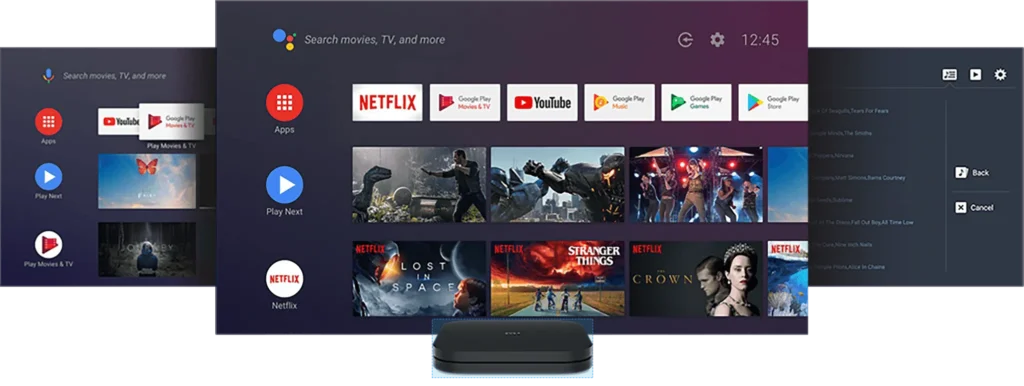
Key features we expect include EPG, catch-up, multiple profiles, and cross-device sync. Apps like Smarters or Kodi act as the player; the provider supplies playlists and channels from its server.
| Aspect | What it does | Why it matters |
|---|---|---|
| Provider | Supplies playlists and channels | Determines channels and VOD depth |
| App / Player | Organizes streams and EPG | Simplifies navigation on our devices |
| Connection | Internet link to provider server | Stable 20 Mbps+ reduces buffering for HD |
| Privacy | VPN masks our IP when traveling | Maintains access on restricted networks |
Choosing the right iptv service and provider matters. We should confirm channel lists, features, and support before we finalize the subscription.
Reliable view tv activation: the exact steps to start streaming today
We’ll walk through the exact steps that get channels and on‑demand content playing on our devices. Start with a quick checklist so we avoid stalls mid‑setup.
Check prerequisites
First, confirm our subscription is active and that we have login or activation credentials ready.
Test the internet. Aim for ~20 Mbps for HD, and use 5 GHz Wi‑Fi or Ethernet for the best connection.
Verify the target device supports the chosen app or apps and update it to the latest version.
Create or confirm account
Sign in or create the account on the provider portal. Verify subscription status and copy any activation codes or playlist links we need.
Enter playlist URL in settings
Open the player app, go to settings, and paste the playlist url (prefer HTTPS). Save and let the app parse the playlist.
On a Fire Stick, install from the store or prepare to sideload safely if the app is unavailable.
Map channels, test streams, and finalize
Organize groups and favorites so our top channels appear first. Test several live channels and one VOD title for sync and stability.
If a stream fails, validate the playlist in VLC (Media > Open Network Stream) before changing app settings. Restart the app and refresh the EPG after parsing.
- Tip: Document the playlist url and steps so we can replicate setup on other devices under our subscription.
Device-by-device setup guide for a smooth first run
Getting each device ready the right way speeds our first run and cuts troubleshooting. Below we outline concise steps for common devices so streams and content load cleanly on day one.
Amazon Fire Stick
Install from the Fire TV Appstore when available. If not, enable unknown apps (Settings > My Fire TV > Developer Options) and install Downloader.
Open Downloader, fetch the APK from a trusted HTTPS source, install, then launch. Minimize permissions for sideloaded apps to reduce risk.
Smart TVs and streaming boxes
Prefer native store installs on smart tvs or Android TV. If the app is missing, cast or mirror from mobile as a quick fallback.
Mobile and tablets
Install the provider app on Android or iOS, sign in, and disable cellular streaming if you want to control data. Adjust notifications and playback quality to match your connection.
Consoles and desktops
Use native apps where supported. If there’s no app, cast from mobile or open the provider portal in a modern browser. Whenever possible, use Ethernet or a 5 GHz Wi‑Fi path for stable streaming.
Choosing the right IPTV player and understanding playlist formats
Picking the right player shapes how smoothly our streams load and how easy navigation feels.
IBO Player, BOB Player, and VU Player each handle large lists differently. IBO often parses big playlists quickly, supports activation codes, and populates EPG reliably.
BOB Player excels at remote-friendly navigation and simple favorites. VU Player handles heavy lists and recovers well when a server drops.
IBO Player: quick activation steps
Install the official app or APK, add the playlist (M3U or M3U8) or enter credentials, and paste any activation code if required.
Let the app parse EPG, save settings, then test a few channels to confirm parsing and stream health.
M3U vs M3U8 and HLS
M3U is a basic playlist that lists streams. M3U8 is UTF‑8 and commonly used with HLS for adaptive bitrates.
HLS improves stability on variable networks by switching bitrates from the server during playback.
Validate streams before final setup
Test questionable streams in VLC (Media > Open Network Stream) or a reputable online HLS player.
Inspect Tools > Codec Information in VLC to check codec and bitrate. Prefer HTTPS playlist URLs to avoid mixed-content errors and protect our connection to the server.
- Compare: parsing speed, EPG load, favorites, catch-up, and recording support.
- Prioritize: cross-device consistency so our settings stay familiar on phones, sticks, and boxes.
- Document: player-specific steps so we can replicate the setup on other devices quickly.
Network and VPN optimization for quality streams
Before tweaking players, we must lock down the internet path that carries our streams. Small fixes to the home network and smart VPN choices cut buffering and speed up channel startup.
Eliminate buffering: bandwidth, 5 GHz Wi‑Fi, and wired connections
For HD playback we aim for ~20 Mbps. Test bandwidth and upgrade if we can’t hit that consistently during peak hours.
Switch to 5 GHz Wi‑Fi or use Ethernet to reduce interference and latency. Wired links lower packet loss that causes stalls.
VPN usage for privacy, consistency, and travel scenarios
A VPN can avoid ISP throttling and keep our access steady on restricted networks. When we travel, connecting to a nearby server in our home country keeps the same content available.
- Pause big downloads and limit concurrent devices to keep bandwidth free for streaming.
- Pick nearby VPN servers with low latency to preserve quality and cut startup time.
- Clear app caches, reboot routers on a schedule, and enable QoS for streaming devices.
- Validate a few playlist entries with VLC to see if a stall is network- or server-specific.
Quick tip: record the best VPN protocol and servers that work for your iptv and streaming setup so we can replicate fast across devices and services.
Troubleshooting: quick fixes for the most common activation and streaming issues
When streams stutter or channels vanish, quick checks usually fix the issue in minutes. Use this concise guide to isolate the cause and restore service without long waits.
Buffering and freezing
Restart the router and modem, then test playback again. Close background apps and pause large downloads to free bandwidth.
Switch to Ethernet or 5 GHz Wi‑Fi and lower the in‑app bitrate if needed to stabilize streaming.
Missing channels or EPG
Refresh the playlist and reload the playlist url inside the player. Check the provider’s status to see if a server outage affects channels.
App crashes or glitches
Clear cache or data for the app, update to the latest version, and reinstall when problems persist. Power cycle the device, including Fire Stick and smart TVs, to clear memory issues.
- Test problem streams in VLC to determine if the issue is the app, the channel, or our network.
- Document timestamps and error patterns so customer support can troubleshoot faster.
- Keep a fallback player or alternate iptv apps installed to confirm whether switching fixes the bug.
Security, legality, and APK safety while you activate
We treat security and legality as part of every setup step to keep our devices and accounts safe.
Only use trusted sources and HTTPS playlist URLs
Install only from reputable stores or verified HTTPS links. Avoid random mirrors and unknown APK hosts to reduce malware risk.
Prefer HTTPS for any playlist url so the player avoids mixed-content errors and so our credentials stay encrypted.
Verify licensing and avoid unverified apps or risky sideloading
We check that the provider clearly states broadcasting rights and transparent policies before subscribing to services.
When sideloading is necessary, we verify APK file hashes against the publisher’s reference, scan installers with antivirus, and test on a sandbox device first.
- Review app permissions and deny unnecessary access.
- Never publish unprotected playlist links; rotate credentials if exposure is suspected.
- Use a password manager and enable device-level security, and confirm support channels exist for compliance questions.
Provider quality signals and customer support that actually helps
Strong infrastructure and fast support are the real signs that an iptv provider will keep channels live when it matters. We look past marketing and check measurable signals before we buy a subscription.
Uptime, server capacity, and streaming‑optimized infrastructure
We favor providers with public uptime records, server redundancy, and CDN backing. These features cut buffering when many users hit the same streams.
Fast EPG updates and servers tuned for live playback speed up channel zaps and reduce start delays.
24/7 support, clear guides, and fast troubleshooting
Good services publish step‑by‑step setup docs and offer multiple support channels. We test response times and resolution quality before we commit.
- Confirm uptime, redundancy, and CDN usage.
- Verify playlist and EPG update frequency.
- Check support hours, contact methods, and sample guides.
- Test a handful of channels for consistent picture quality.
Paid iptv service options normally outperform free lists in stability and help. We choose the provider that shows clear capacity planning and a record of fast, helpful customer support to protect our streaming experience.
Pro tips to elevate your IPTV experience
A few smart organization moves and player tweaks make finding channels faster and playback more reliable.
Organize favorites, tweak player settings, and keep apps updated
We curate favorites and hide unused categories so our player stays fast and top channels are one click away.
We also enable adaptive buffering, audio passthrough, and tune EPG refresh intervals to balance speed and stability. Keep each app and player updated to grab bug fixes and new features.
Test streams with VLC and monitor codec and bitrate
When a stream looks faulty, we validate it in VLC (Media > Open Network Stream). Then we open Tools > Codec Information to check bitrate and codec stability.
This helps identify if an issue is source-related or device-specific before we switch services or change players.
Chef’s bonus: quick slow-cooker Chicken and Dumplings
For a comfort break, try chicken, broth, aromatics, and canned biscuits in the crockpot. For a 4‑ingredient shortcut, use rotisserie chicken, cream of chicken soup, broth, and canned biscuits.
For extra flavor, swap in Red Lobster Cheddar Bay biscuit mix for savory dumplings. We save recipes with our playlist and settings so food and streaming are ready for big sports nights.
- Pretest event channels, reboot router, and verify bandwidth.
- Keep a backup iptv player installed and spread usage across services.
- Set cache‑clear reminders to keep apps responsive across large playlists.
Conclusion
Here’s a short, practical recap so we can roll out the same iptv setup to other devices without fuss.
, Keep speed near ~20 Mbps for HD, prefer 5 GHz or Ethernet, and keep apps updated. Validate a few streams with VLC and save your playlist and playlist url so you can restore settings quickly.
Lock down subscription details and document your chosen iptv player and services. Use a VPN when traveling to keep access steady and protect our connection. Favor providers with fast support and clear server status so we get back to watching sports and shows fast.
Store this guide for future device installs. Repeat the steps, test streams, and you’ll maintain a smooth streaming experience across smart tvs, phones, and laptops.
FAQ
What is Reliable View TV activation and why do we need to do it?
Activation links your IPTV subscription, playlist URL, or account to an app or device so we can stream channels and VOD. Activation confirms our subscription status, maps channels and EPG, and ensures the provider’s servers deliver the streams to our Fire Stick, smart TV, mobile, or desktop. Proper activation reduces buffering and unlocks features like catch-up and favorites.
What do we need before starting activation?
We need an active subscription from a reputable IPTV provider, a stable internet connection (preferably 25 Mbps+ for multiple HD streams), a compatible device, and the correct playlist or activation URL. For some apps we’ll also need the account credentials, an APK or app from an official store, and access to router settings if we plan wired or 5 GHz Wi‑Fi optimization.
How do we activate using a playlist URL inside the app?
Open the IPTV app, go to settings or “Add Playlist,” choose M3U/M3U8 or HLS depending on the app, paste the playlist or server URL, and save. Some players require username and password fields. After adding the URL we map channels and EPG, then test several live streams and VOD items to confirm playback and guide data correctness.
What exact steps should we follow to start streaming today?
First confirm subscription and get the playlist or activation URL. Second, install a compatible IPTV app on our device. Third, enter the URL and credentials in the app settings. Fourth, import EPG and adjust channel mapping. Finally, test live channels and VOD and tweak network settings for smooth playback.
How do we set up on Amazon Fire Stick?
Install the IPTV app via the Amazon Appstore when available or sideload the APK safely. Enable “Apps from Unknown Sources” only when necessary and download from trusted repositories. After install, enter the playlist URL or activation code, check stream playback, and switch to a wired or 5 GHz Wi‑Fi connection to avoid buffering.
What about smart TVs and streaming boxes?
Use the built‑in app store to install approved IPTV players when possible. If the app isn’t available, use casting from mobile or install a compatible APK on Android TV boxes. For Samsung or LG TVs, rely on supported apps or a connected streaming stick to handle playlists and EPG mapping.
How do we set up mobile apps on Android and iOS?
Download the provider’s recommended app or a supported IPTV player from Google Play or the App Store. Sign in with the provided credentials, add the playlist URL, and enable push notifications if desired. Monitor cellular data use—streaming can consume a lot of data, so prefer Wi‑Fi for extended viewing.
Can we use consoles or desktops to watch IPTV?
Some consoles support apps or casting. On desktops we often use a native IPTV app or a browser-based HLS/M3U player. VLC and other players validate streams locally. For best results connect the device via Ethernet and ensure firewall rules allow the player to reach the playlist server.
Which IPTV players should we consider and what formats matter?
Popular players include IPTV Smarters, TiviMate, and VLC; others like IBO Player, BOB Player, and VU Player are also common. Know whether the provider supplies M3U, M3U8, or HLS streams—M3U/M3U8 are playlist formats, HLS is the streaming protocol. Pick a player that supports your playlist type and EPG format.
How do we test streams before activating across all devices?
Use VLC or an online HLS tester to open the playlist URL and verify channels play. Testing reveals codec, bitrate, and latency issues before we import the URL into multiple devices. If streams fail in VLC, contact the provider to confirm server status or request an alternate URL.
What network settings improve streaming quality?
Use wired Ethernet when possible, switch to 5 GHz Wi‑Fi for less interference, and prioritize traffic via Quality of Service (QoS) on the router. Ensure we have adequate upstream and downstream bandwidth for concurrent streams and minimize other high‑bandwidth activities during viewing.
Should we use a VPN with IPTV?
A VPN can add privacy and help maintain consistent access while traveling, but it may increase latency and reduce throughput. Choose a fast, reputable provider with nearby servers and test performance—disable VPN if it causes buffering or authentication errors with the IPTV service.
How do we fix buffering, freezing, or stuttering?
Restart the router and device, switch to a wired or 5 GHz Wi‑Fi connection, lower the stream bitrate in app settings, and close background apps. If multiple users share the network, manage bandwidth with QoS or schedule heavy downloads outside viewing hours. Also confirm the provider’s server status.
What if channels or EPG data are missing?
Refresh or re‑import the playlist URL and EPG source in the player. Clear the app cache and restart the app. If problems persist, check the provider’s status page or contact support for updated URLs, EPG GUIDs, or server maintenance notifications.
How do we address app crashes or playback glitches?
Update the app and device firmware, clear the player cache, and reinstall if necessary. Test the playlist in another compatible player to isolate whether the issue is app or stream related. If the playlist works elsewhere, report the app crash to the developer with logs.
How can we stay safe when sideloading APKs or using third‑party apps?
Only download APKs from reputable sources and verify checksums when provided. Prefer HTTPS playlist URLs, enable device security options, and avoid granting unnecessary permissions. Confirm licensing and avoid unverified or pirated apps to reduce legal and security risks.
How do we evaluate an IPTV provider’s quality and support?
Look for high uptime, CDN or streaming‑optimized infrastructure, clear pricing, and public server status. Prioritize providers with 24/7 customer support, responsive troubleshooting, and step‑by‑step setup guides. Test a trial period to verify channel availability and stream stability before committing.
What pro tips improve our channel organization and viewing?
Create favorites, organize channels into groups, and save EPG mappings for easy navigation. Keep apps and device firmware updated, test streams periodically with VLC, and monitor codec and bitrate to diagnose quality issues. Small tweaks in player buffer settings often yield big improvements.
Do you have any offbeat tips for long‑watch days?
Plan snacks and breaks—our team recommends a simple slow‑cooker Chicken and Dumplings or store‑bought biscuit shortcuts to keep viewing relaxed. Meal prep helps us avoid interruptions that disrupt streaming sessions and gives us time to monitor network performance during long events.